
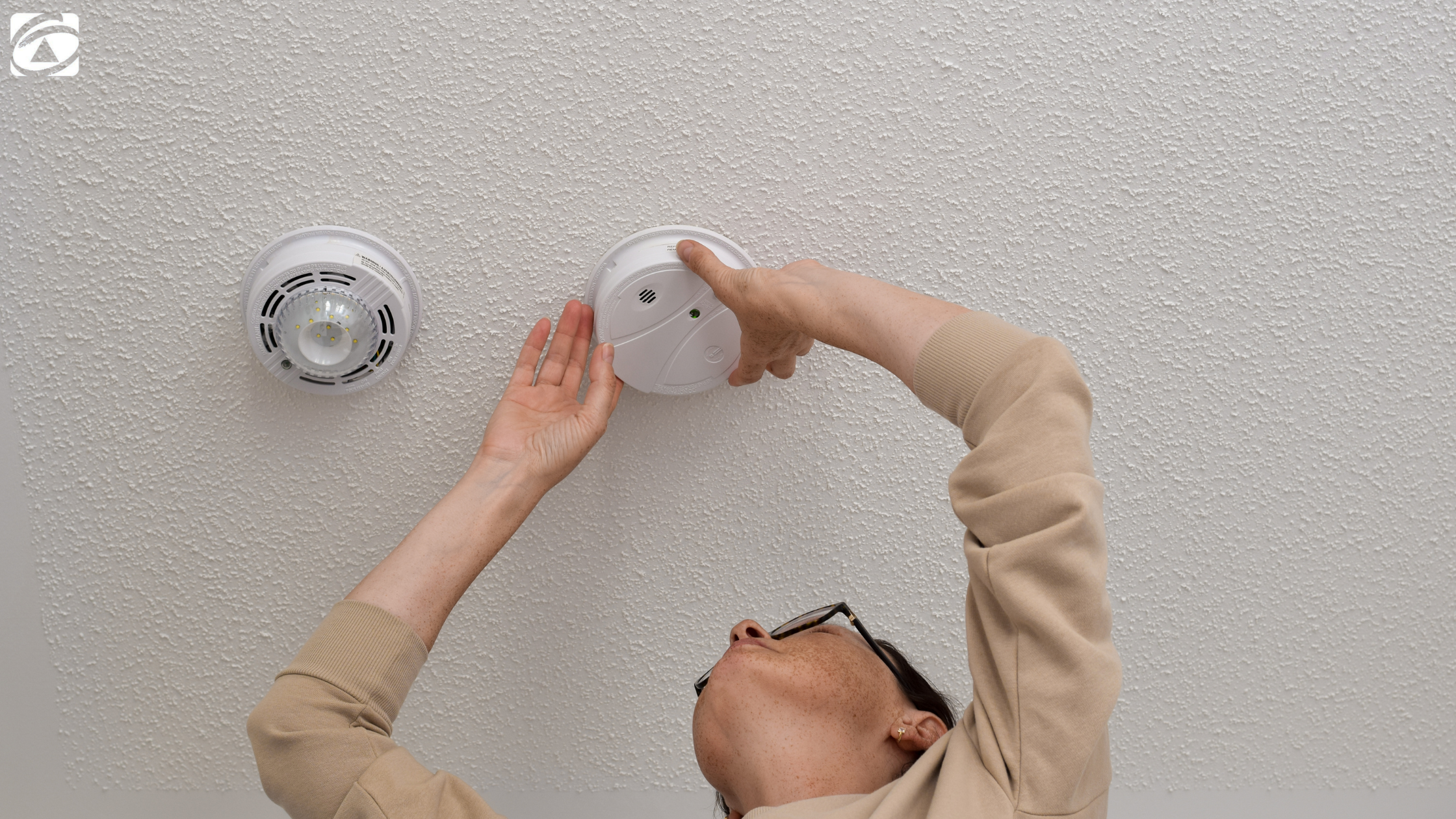
QLD Smoke Alarm Legislation Phase 2: What Property Owners Need to Know Before the Deadline
Queensland's smoke alarm legislation has been rolling out in stages, and if you own a rental property in Mackay, Sarina, Nebo or anywhere across Central Queensland, Phase 2 is the one that directly affects you. The deadline isn't something you want to miss, and the compliance requirements are more specific than a lot of landlords realise.
We're not going to sugarcoat it. Getting this wrong is more than a paperwork headache. It can affect your insurance, your tenants' safety, and your legal obligations as a property owner. So let's break it down in simple terms.
What Is the QLD Smoke Alarm Legislation?
Queensland introduced new smoke alarm requirements under the Building Fire Safety (Domestic Smoke Alarms) Amendment Regulation 2016, creating a phased rollout to give property owners time to upgrade their properties to meet the new standard.
The legislation requires all Queensland dwellings to be fitted with interconnected photoelectric smoke alarms that comply with Australian Standard 3786:2014. That means if one alarm is triggered, every alarm in the home goes off simultaneously. It also means battery-only alarms are no longer sufficient. Alarms must either be hardwired or powered by a non-removable 10-year battery.
What Changed in Phase 2 of the QLD Smoke Alarm Legislation?
Phase 2 of the QLD smoke alarm legislation came into effect on 1 January 2022 and specifically targets rental properties and properties being sold.
From that date, all rental properties in Queensland must have compliant photoelectric, interconnected smoke alarms installed before a new lease is entered into or an existing lease is renewed. That's the trigger point. It's not a case of waiting until the lease runs its course and dealing with it later. The obligation kicks in at lease commencement or renewal.
Key requirements under Phase 2 for rental properties include:
- Photoelectric alarms only. Ionisation alarms do not comply
- Interconnected - all alarms must activate together
- Hardwired or 10-year non-removable battery powered
- Installed on every storey of the dwelling
- In every bedroom or within 3 metres of a bedroom door
- In hallways connecting bedrooms and the rest of the dwelling
- Where there is no hallway, between the bedroom areas and the rest of the dwelling
If your property doesn't meet these requirements, it isn't compliant.
What Are the Risks of Non-Compliance?
This is where a lot of landlords underestimate the stakes. Non-compliance with QLD smoke alarm legislation isn't just a fine risk. It can have broader consequences.
Insurance implications are one of the biggest concerns. If a fire or smoke-related incident occurs at your property and the smoke alarms were not compliant, your insurer may reduce or refuse a claim. That's a conversation nobody wants to have after the fact.
Legal liability is another real consideration. If a tenant suffers harm and your property wasn't compliant, your exposure as a landlord increases significantly. Queensland tenancy legislation places obligations on landlords to provide safe and habitable premises.
There's also the straightforward matter of tenant safety. Interconnected photoelectric alarms genuinely perform better in real-world fire scenarios. The legislation exists for a reason, and that reason is keeping people alive.
Does This Apply to Your Mackay or Central Queensland Rental Property?
Yes. These requirements apply statewide, which means every rental property across Mackay, Sarina, Nebo and the wider Isaac Region must comply. There are no regional exemptions.
If you're an interstate investor who purchased a Mackay property and you're not entirely sure what's been installed or when it was last checked, now is exactly the right time to find out. Distance doesn't reduce your obligations as a landlord, and it's not an excuse that holds up if something goes wrong.
For properties that were already leased before the Phase 2 deadline and have not yet had a lease renewal, Phase 3 of the legislation will capture all remaining dwellings by 1 January 2027. So even if you haven't technically reached your trigger point yet, the clock is ticking.
What Practical Steps Should Landlords Take Now?
Getting compliant doesn't have to be complicated. Here's a practical starting point:
- Check what's currently installed. Know the make, model, and type of alarms in your property. Photoelectric alarms will typically have "photoelectric" or "optical" marked on the unit.
- Check the interconnection. Are your alarms hardwired and linked, or are they standalone battery alarms? If they're standalone, they need replacing.
- Check the age. Smoke alarms have a lifespan. If yours are over 10 years old, they need to be replaced regardless of the technology inside them.
- Document everything. Keep records of installation, testing, and maintenance. Good documentation is your first line of defence if your compliance is ever questioned.
- Talk to your property manager. If your property is professionally managed, your property manager should be across this. If they're not raising it with you, that's worth asking about.
The Queensland Fire Department's smoke alarm guidance is a useful reference point if you want to dig into the technical detail directly from the source.
What Should Landlords Ask Their Property Manager?
If you're working with a property manager, there are a few questions worth asking to make sure everyone is across it:
- Has a compliance check been completed on my property?
- When were the current smoke alarms installed, and are they the correct type?
- Are the alarms interconnected?
- Is compliance being documented and retained on file?
- What happens at the next lease renewal to confirm compliance before signing?
A good property manager won't wait for you to ask these questions. At First National Mackay, Sarina and Nebo, smoke alarm compliance is part of how we manage properties. It's not an optional extra and it's not something we leave to chance.
Frequently Asked Questions About QLD Smoke Alarm Legislation
When did Phase 2 of Queensland's smoke alarm legislation start?
Phase 2 came into effect on 1 January 2022 and applies to all rental properties when a new lease is entered into or an existing lease is renewed from that date.
What type of smoke alarms are required in Queensland rental properties?
Queensland rental properties must have photoelectric, interconnected smoke alarms that comply with Australian Standard 3786:2014. They must be hardwired or fitted with a non-removable 10-year battery. Ionisation alarms and standalone battery-operated alarms do not comply.
What happens if my rental property doesn't have compliant smoke alarms?
Non-compliance can result in legal liability, insurance complications, and potential penalties. More importantly, it places your tenants at greater safety risk. If a lease is renewed without compliant smoke alarms in place, the landlord is in breach of their obligations under Queensland legislation.
Do smoke alarm compliance requirements apply to properties in Mackay and regional Queensland?
Yes. The Queensland smoke alarm legislation applies statewide. There are no exemptions for regional properties, and landlords in Mackay, Sarina, Nebo and across the Isaac Region are subject to the same requirements as properties in metropolitan areas.
When does Phase 3 of Queensland smoke alarm legislation take effect?
Phase 3 applies to all remaining dwellings not already captured under earlier phases and comes into effect on 1 January 2027. All Queensland homes must comply with the new smoke alarm standard by this date.
Smoke alarm compliance isn't something to leave on the to-do list until a lease renewal lands in your inbox. Getting ahead of it now, confirming what's installed, and making sure your records are in order is the kind of straightforward, practical step that protects your investment and the people living in it.
If you want help preparing for phase smoke alarm compliance, reach out to our team today and we'll point you in the right direction.
You might also be interested in

Sep 28, 2026
Two Weeks' Rent in Advance: What It Means and Why It Matters in Queensland
If you've ever signed a lease or managed a rental property in Queensland, you've almost certainly come across the term "two weeks' rent in advance." It comes up at the start of nearly every tenancy, y
Apr 17, 2026
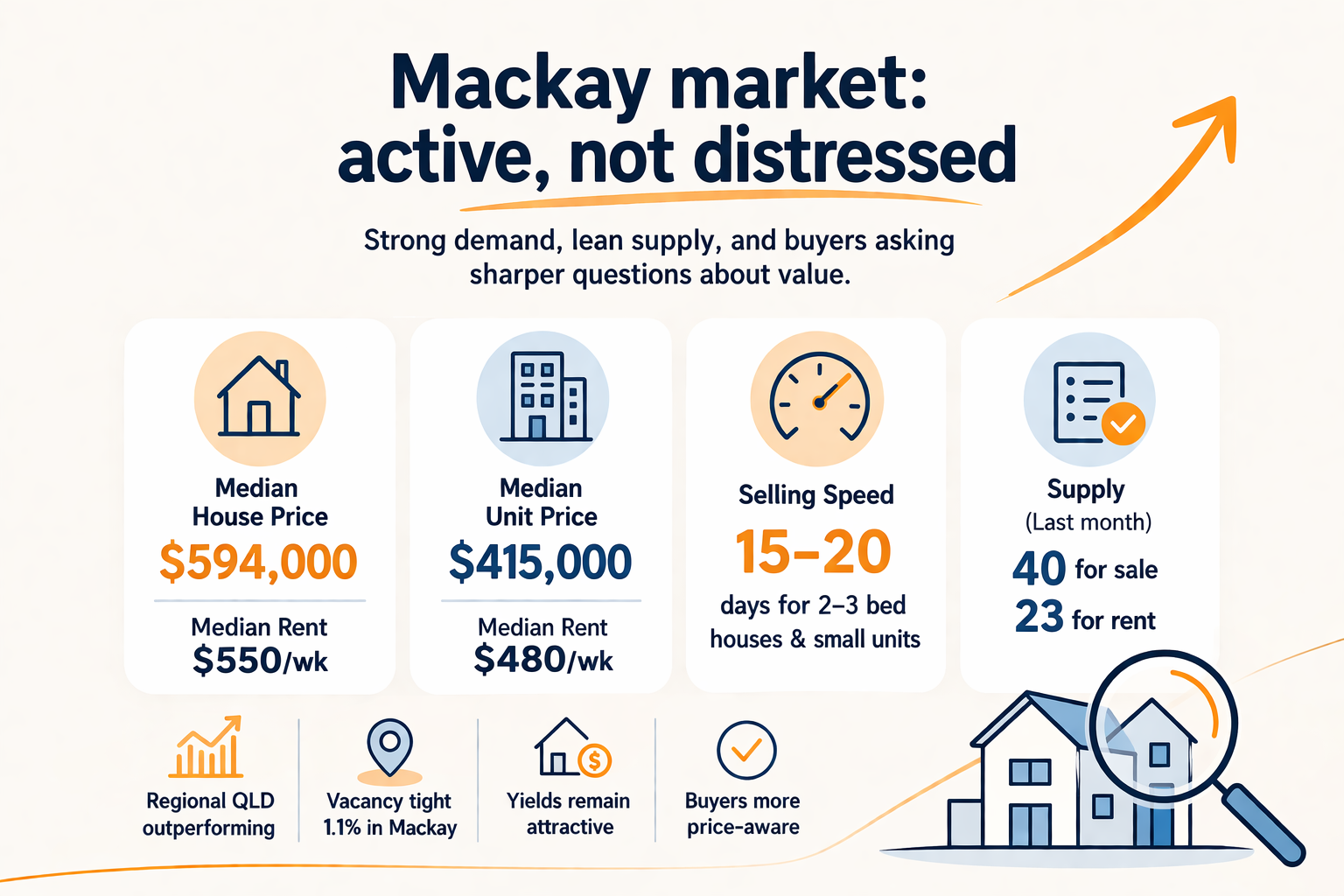
Mackay Market Holds Firm as Buyers Refocus
In Mackay, the market still feels more active than distressed, but the conversation is changing. Buyers remain engaged, yet they are asking harder questions about value, repayments, and holdin