Metropolitan living comes hand in hand with hustle and bustle – vibrant nightlife, seemingly endless eateries to explore and amenities easily on hand. But with an almost doubled cost of living compared to rural or regional living, keeping up with your city lifestyle often comes coupled with a few compromises. This is why many Australians are choosing to relocate from metropolitan areas in favour of regional and rural living. The global pandemic was a huge catalyst for this trend, but with the number of city-dwellers choosing a life in the regions recently hitting a 12-month high, this has now moved from trend territory to a fundamental societal shift. Life in rural or regional Australia delivers quality of life in a big way; your hard-earned dollar often goes much further, affording you more space (inside and out), a more luxurious lifestyle, better work-life balance, and a greater connection with the natural environment.
If you’re sitting on the fence about trading life in the big smoke for one that’s big on lifestyle, here are ten of the biggest benefits of regional or rural living that might just sway you:
1. Lower cost of living
From rent and house prices to utilities and groceries, city life doesn’t come cheap. Contrastingly, you’re likely to find better value and greater affordability across the board with a rural or regional shift – with the cost of housing in regional NSW, for example, approximately 30% less than housing in metro areas! When you’re spending less on the basics, you’ll have more money left in your pocket each week to use as you choose, whether that’s saving for a home or a holiday or simply indulging in small luxuries.
2. Living large
Wish you had a playroom to hide away the Lego and Barbies? Sick of your dining table doubling as your work-from-home space? Tired of sharing your only bathroom with your teenagers? A regional or rural move often grants you access to bigger homes (at a more affordable price) where you can stretch out and find something that ticks off your entire wish list. Unlike metropolitan counterparts – where the average block size is under 500 square meters (and shrinking), you’ll enjoy spacious living indoors and out in a rural or regional setting.
3. An easier commute
 With smaller populations comes less traffic, less commute stress, and potentially less time commuting altogether. The average Australian worker spends 4.5 hours a week getting to and from work, with these numbers creeping up among those living in our biggest cities – Sydney and Melbourne. While a shorter and less stressful commute may seem like a small luxury, most of us wouldn’t pass up the opportunity to grasp a few extra free hours in our week – and with less traffic congestion, you’ll spend your free time breathing in less polluted, fresh air too!
4. Greater connection with nature
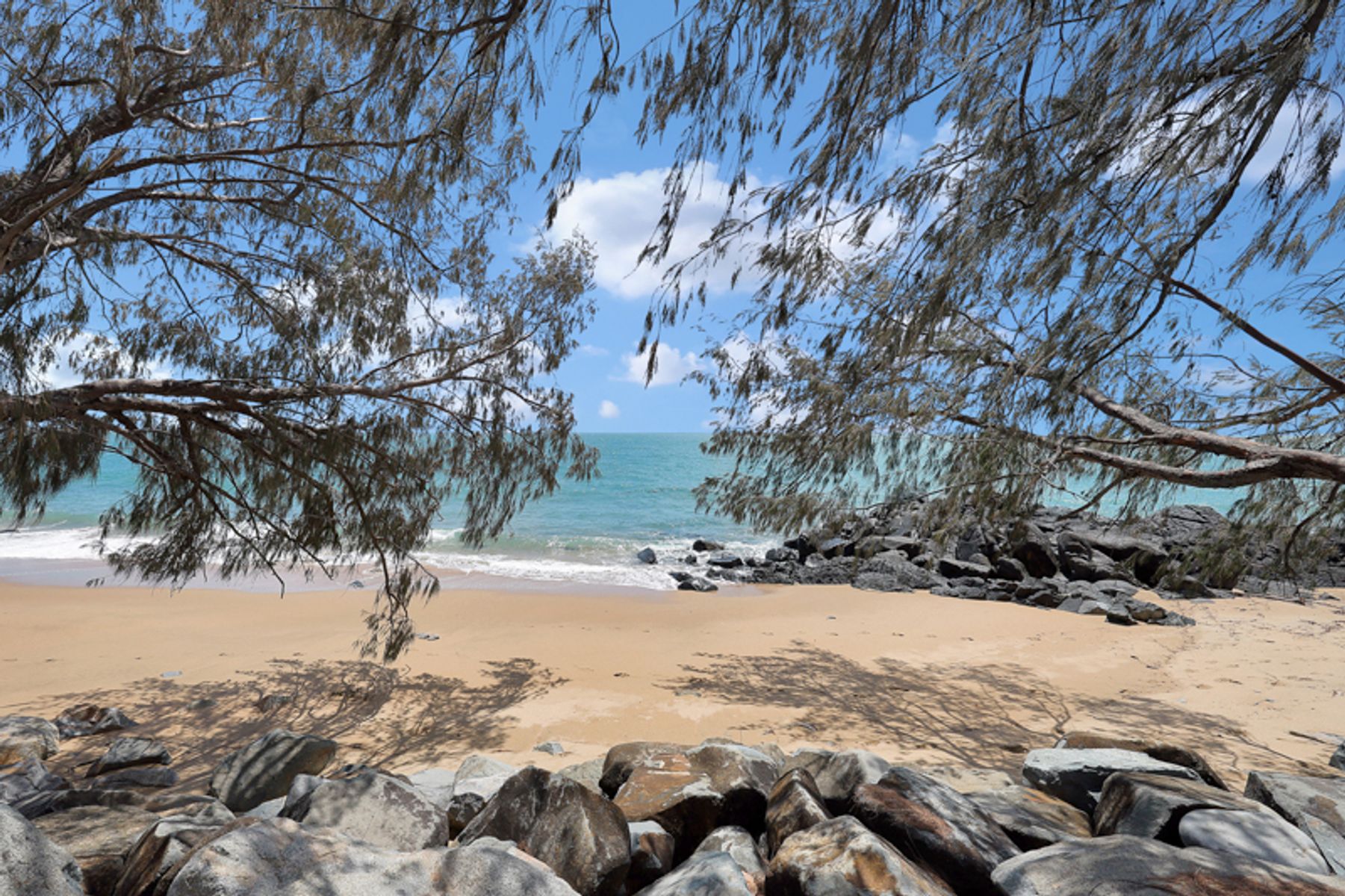
Shifting rurally or regionally often places you in the heart (or on the doorstep) of Australia’s unique and treasured natural landscapes. If you enjoy spending time outdoors, hiking, fishing, surfing, camping, or skiing or simply enjoying the calm of open green spaces – this is a huge drawcard. Physical health benefits aside, you’ll soak up mental health benefits, too, with research showing that people who are more connected with nature are usually happier and have lower levels of poor mental health.
 Humans are social beings, and a strong sense of community plays a big role in our sense of
  A regional or rural move often means trading your postage-stamp backyard or balcony for a supersized outdoor area – opening the door to plenty of sustainable opportunities. It could be building the edibles-filled